Summer is when your garden finally comes alive. But making sure it actually stays vibrant through the hotter months takes a little planning, and some care along the way. Sun, heat, dry spells, and even overwatering can all cause things to fade out faster than expected.
If you’re looking to keep your space thriving (and looking great) through the summer stretch, here are a few design tips and care habits that can make a real difference.
1. Start With What the Space Actually Gets
Before you even think about planting, take a few days to observe how your yard behaves in the summer. Does it get direct sun all day? Does it dry out quickly in July? Is there a shady corner where nothing seems to grow?
In Vancouver, gardens often have a mix of microclimates: sun patches, shady slopes, protected corners. The key is to pick plants that suit those exact conditions, not just what looks good in a catalogue or garden centre.
If you’re working with a garden install company in Vancouver, this is usually the first step in any design — understanding your site.
2. Don’t Forget Texture and Foliage
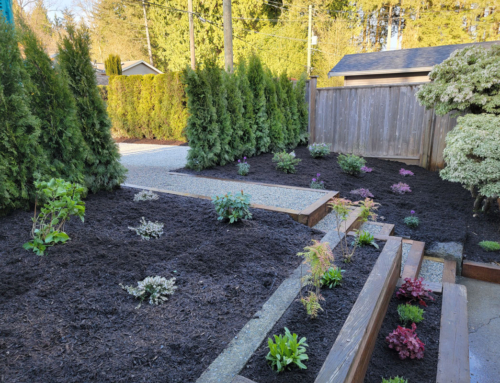
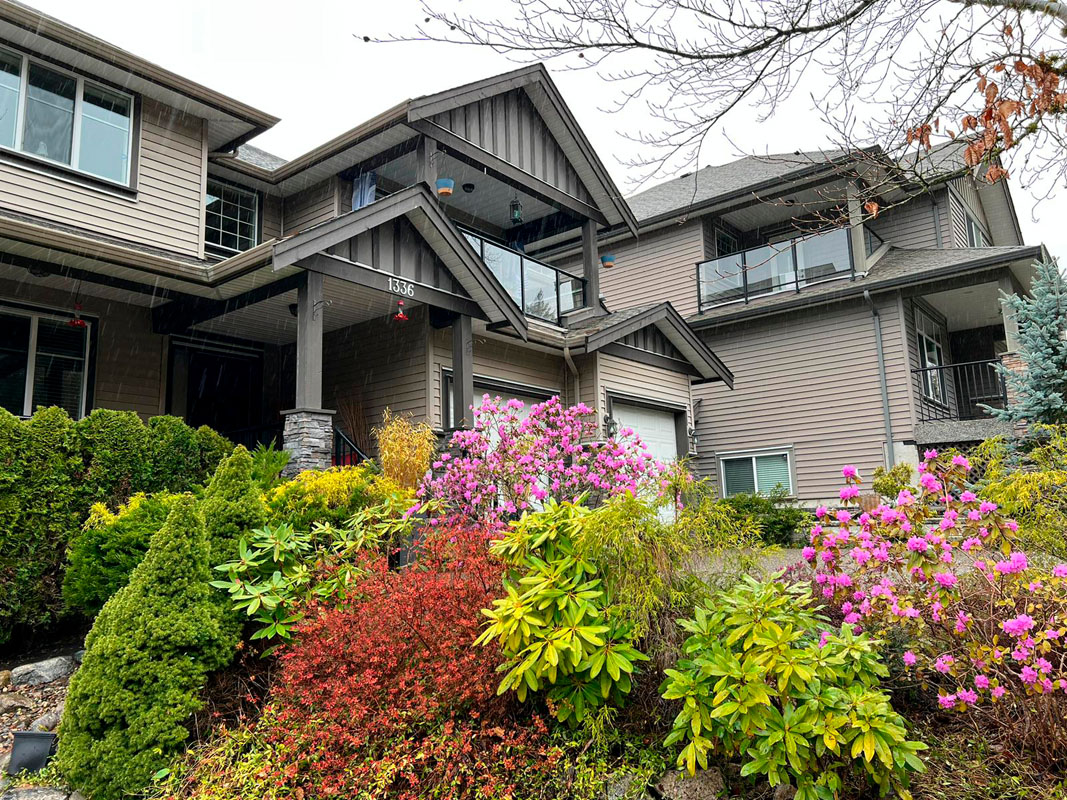
Flowers are great, but they’re not the whole show. A lot of summer gardens burn bright for a few weeks, then fizzle out. You can stretch the interest by layering in plants with interesting leaves, like ornamental grasses, bold perennials, or plants with silvery or burgundy foliage.
Texture goes a long way in summer, especially once some blooms fade.
You don’t need to pack the garden with colour to make it feel full. The right mix of textures, shapes, and layers can create something that still feels alive, even between bloom cycles.
3. Watering: Less Often, Deeper
One of the most common summer garden issues is watering too much, too often.
Most plants do better with a good soak every few days than a quick spray every morning. Shallow watering encourages shallow roots, and shallow roots dry out faster.
Try watering early in the morning, so plants can take it in before the heat of the day. And mulch wherever you can. It holds moisture and keeps roots cooler.
4. Add a Few Late-Summer Players
Lots of gardens peak in June. Then August rolls around, and things look tired.
The fix is to build in a few plants that do their thing a bit later — rudbeckia, echinacea, Japanese anemone, ornamental grasses, even sedum. These give your garden a second wind when earlier bloomers start to fade.
If you’re designing a space from scratch, this kind of seasonal layering can be planned in from the beginning.
5. Give the Garden Some Breathing Room
A common summer garden mistake is crowding plants too close together in spring. Things grow fast once the heat kicks in, and without enough space, airflow drops, pests move in, and things get floppy.
Spacing plants properly not only makes your garden healthier, it just looks better. Negative space (the areas between things) is what lets the shapes and textures really stand out.
Designing a Garden That Lasts Through Summer (and Beyond)
A summer garden doesn’t have to be complicated. But it does need a little intention, whether that’s with plant selection, layout, or simple care habits.
At Bloomingfields, we help Vancouver homeowners create outdoor spaces that thrive through every season, not just in spring. Whether you’re starting fresh or updating what you have, we offer full garden design and install services that consider how your space actually works year-round.
Thinking about a summer garden update?
Book a consultation and we’ll help you build a garden that holds up through the hot months and keeps looking great long after.